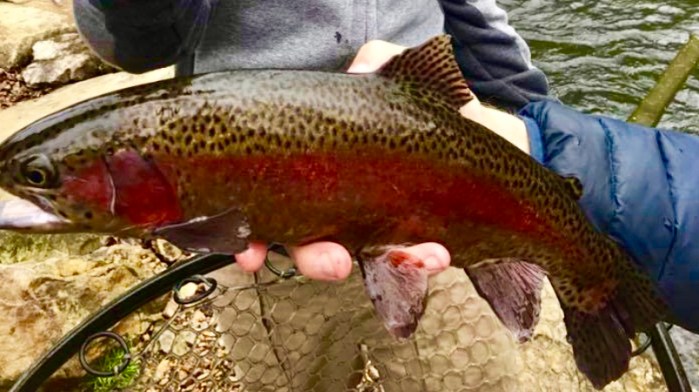
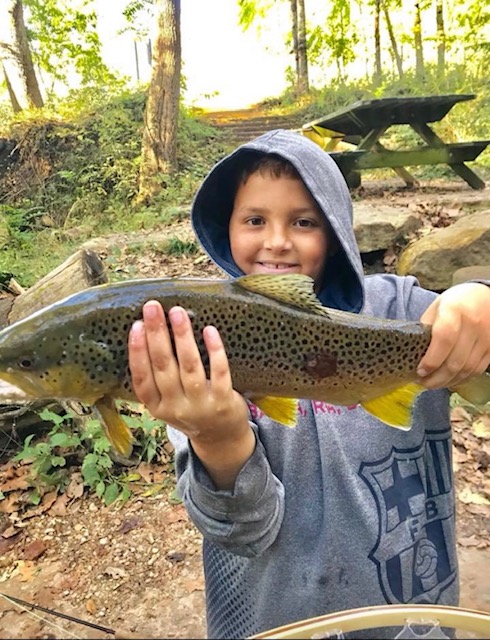
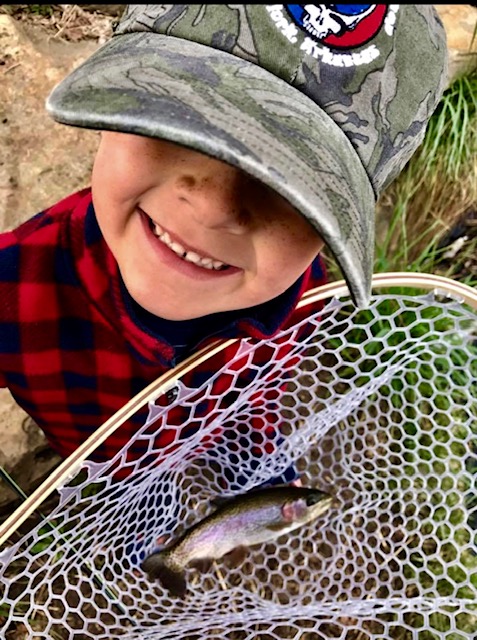
Imagine this: After a few hours of fishing and quite a few fish, your oldest son (age 9) tells you that he has hooked another fish. He says that it is small and that he doesn’t need any help. The fish jumps a few times. It is a small rainbow trout, probably about 4 to 5 inches. At this point, he’s well versed in catching and releasing small fish, so you return to your thoughts. Just as you are pondering if a 4 inch rainbow was stocked in this creek (why would anyone stock a fish that small?) or maybe this fish is the product of natural reproduction. He tells you “Dad, I’m stuck on something”. You look up, seeing the line stationary in the water. Then you see the line start to move. He’s not stuck, he has somehow hooked into a giant fish. You jump up, grab the net, adjust the drag on the reel, tell him to keep his rod tip high, and tell him to relax. I like to tell my kids it takes about 10 minutes to get a large trout in (this is untrue, but it gets them to slow down). Then we both see it. I have been trout fishing for 20 years, and this is the largest brown trout I have ever seen, with the small fish he originally caught inside the giant mouth of the brown trout. Your kid keeps yelling out “Epic!!”. He brings the fish close to you, but just barely out of reach. You know that the giant fish is probably barely hooked, and you know that you don’t get many chances to net a fish like this, so you decide to go for it. You completely miss. The giant fish makes one final run, and breaks off. Your kid is mad that you missed it with the net. Realistically, that was probably the fish of a lifetime for him. Although I was not the one fishing, it may have been the best fishing story of my lifetime. Secretly, you are glad that the fish got away, because who wants their kid to catch the fish of a lifetime at age 9?
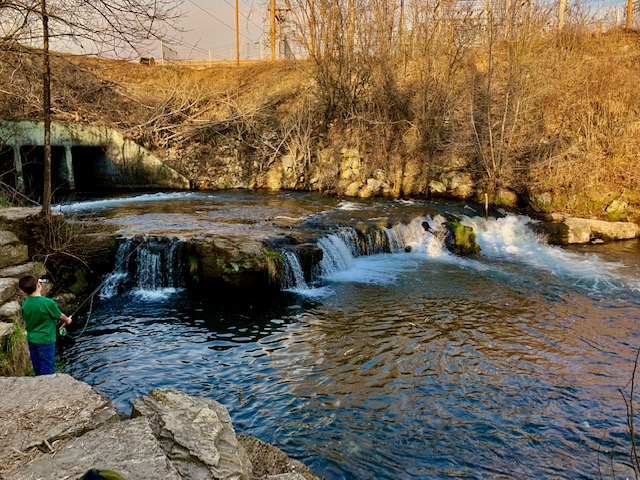
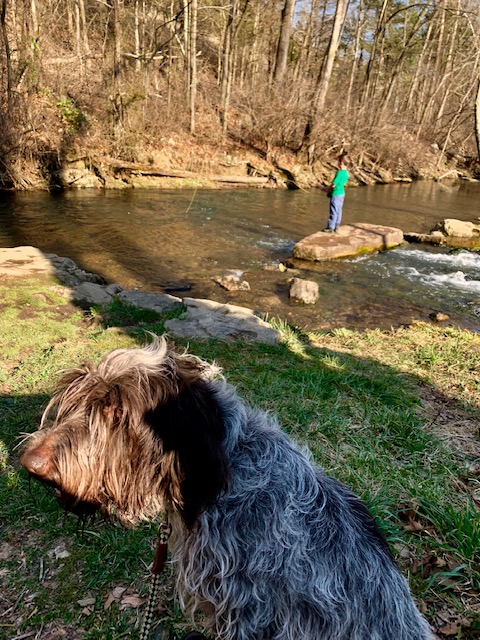

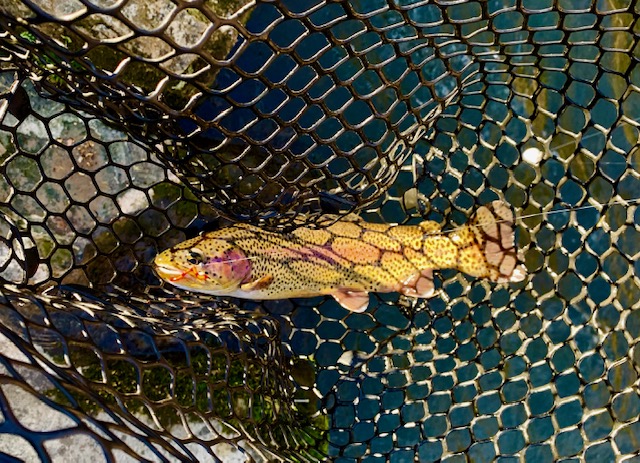
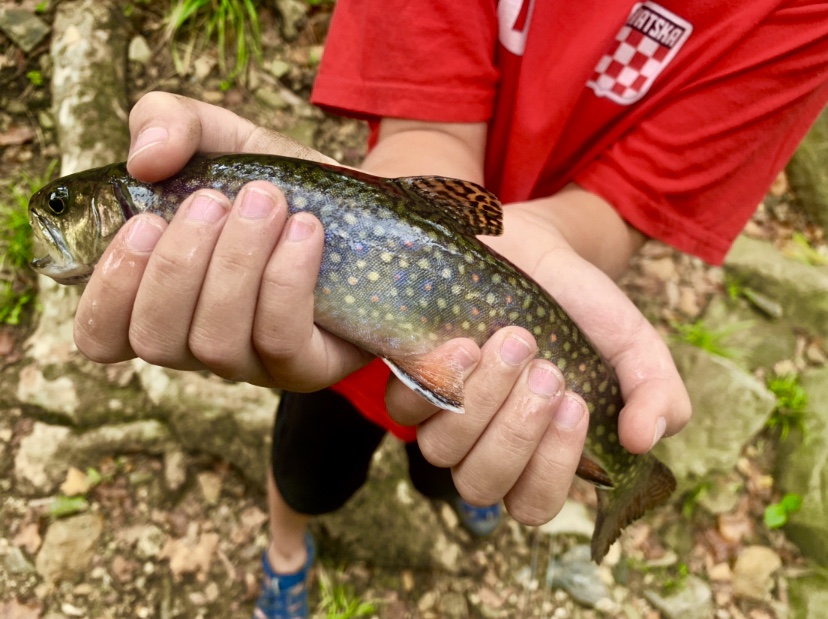
Now Imagine this: It is time to leave to drive back home. Your youngest son is asking to fish one more hole, because he hasn’t fished it yet. You agree, but you tell him he only gets 10 casts because you have a 4 hour drive ahead of you. On his first cast, he hooks a fish. It looks like a 8 or 9 inch rainbow. It gets pulled toward him easily, then all the sudden starts taking out line. It makes 2 or 3 runs. You are thinking that this is quite an angry little fish. You get the fish in the net, and your this is the first brook trout you have ever seen. I have always wanted to catch a brook trout but never have. Now my 7 year old son, who just started fly fishing, just caught one. I tell him what a special fish it is. He decides that is a good fish to end on. For the next four hours, you get to that he is a better fisherman than you because of this brook trout. Since this day, we now know that the state record brook trout for Arkansas is 5 pounds. But there is a bigger one that lives in a hole in Dry Run Creek. My kids have spotted it many times and almost hooked it once. I’m not going to tell you which hole, because some day, according to them, they are going to catch it.
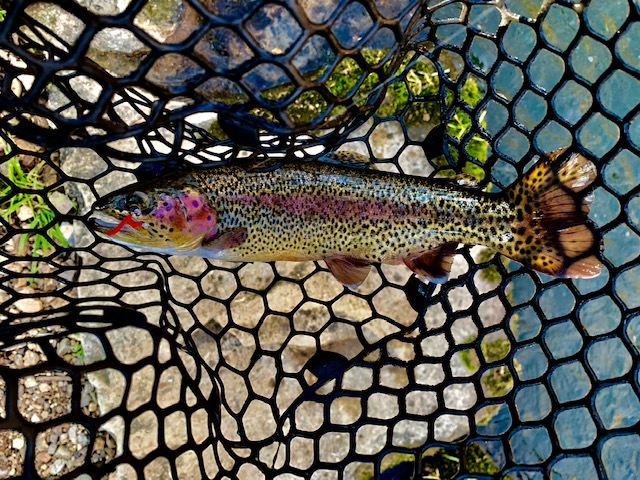

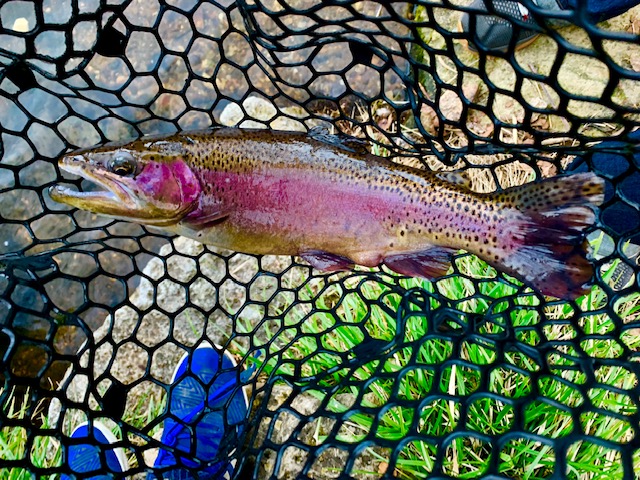
The Stream: There are two world renown trout fishing rivers in Arkansas: The White River and the Norfork River. These are tail waters, mainly put and take rivers for stocker rainbows, but these rivers are also famous for streamer fishing for giant brown trout (you can listen to a great story about streamer fishing on the White here). The trout for the Norfolk and White Rivers mostly come from the Norfolk Hatchery, located at the base of the Norfolk Dam. If you were to visit the hatchery, across the parking lot, you could see a sign. That sign is the entrance to Dry Run Creek.

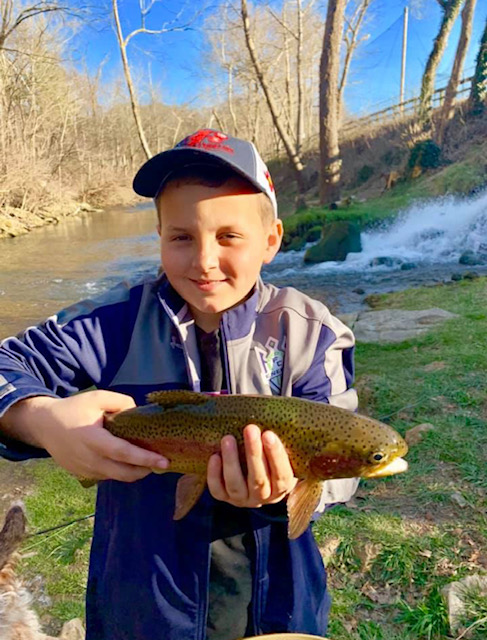
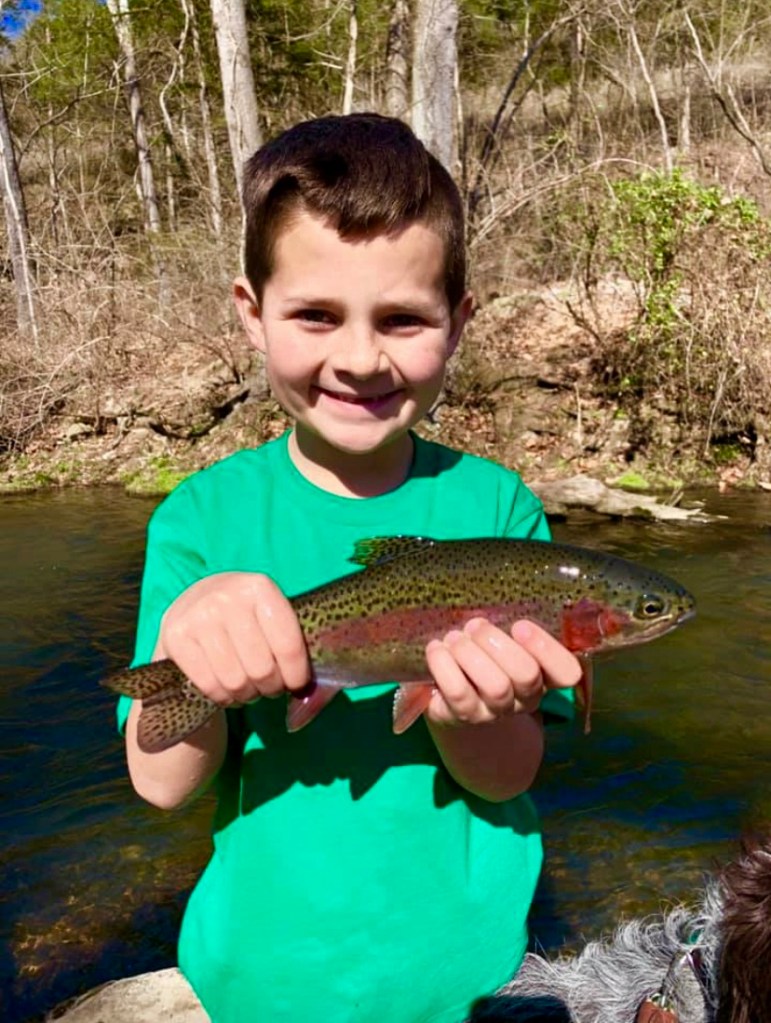
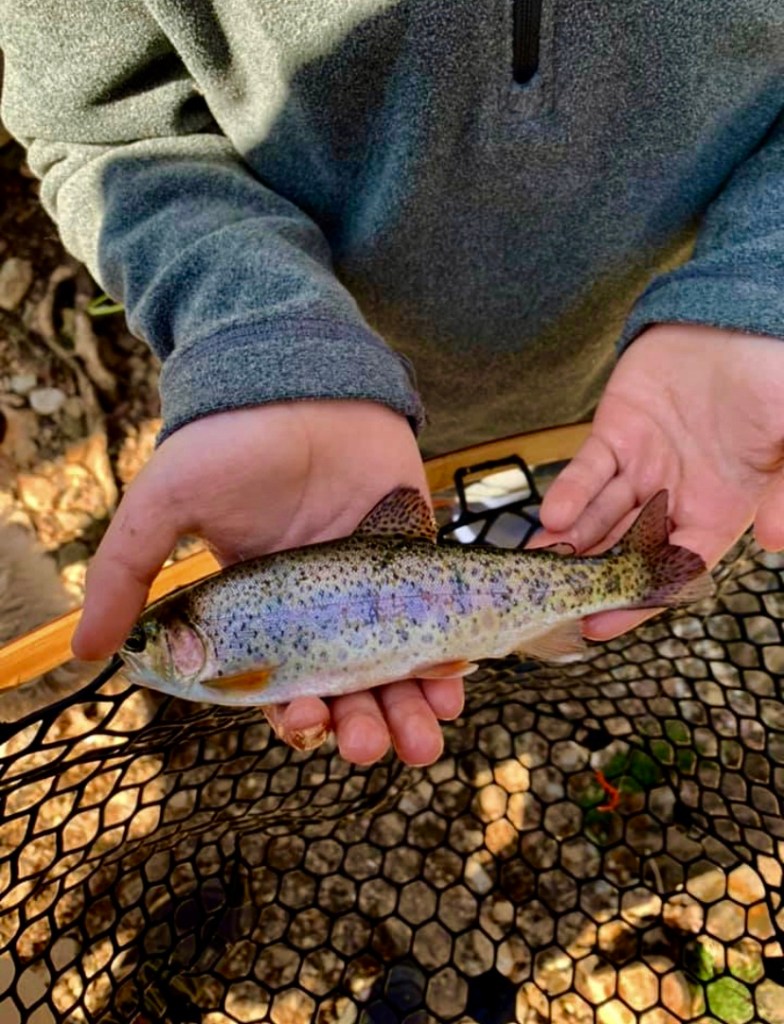
While Dry Run Creek is no secret, this small creek is often overlooked for two reasons. First, the Norfolk and the White Rivers are the main attraction. People travel from far away to fish these rivers, and Dry Run Creek is usually just a footnote in everything written about these rivers. Second, to fish Dry Run Creek, anglers must be younger than 16 or handicapped. And when they say no one over 16, they mean it. The way it was explained to me, they don’t want adults even touching fishing poles. When I take my kids to fish there, I stick to untangling lines and netting fish, and thats pretty much it.
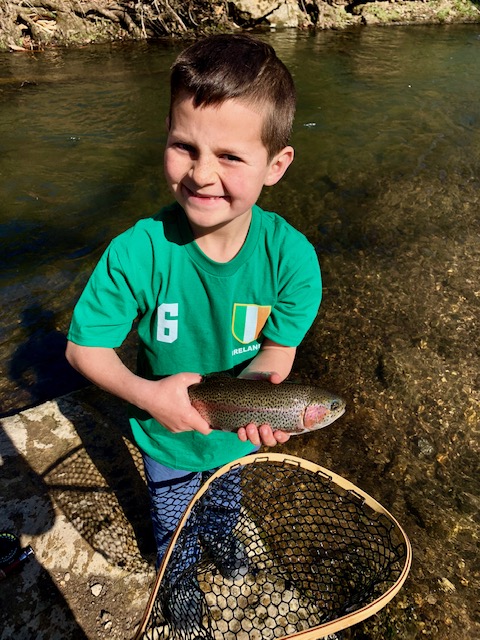
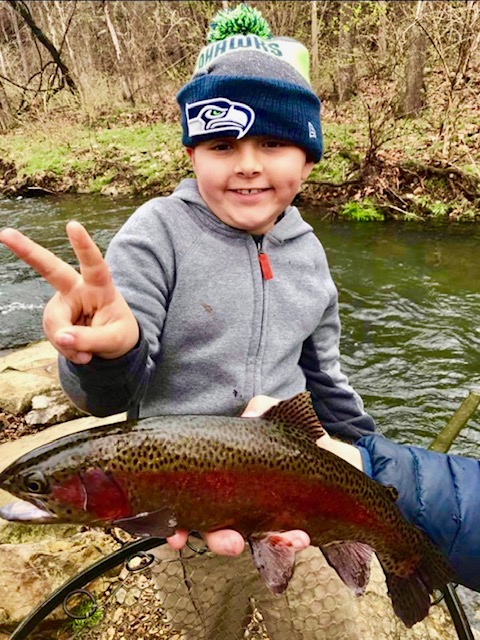
The creek near the hatchery is pretty manufactured/modified so that it is easily accessible. Portions (the wooden ramps) allow wheelchair access, and the rest has easy walking along the backs (with a few rock crossings) near the hatchery. There are sporadic trees to make casting a bit of a challenge for kids. The creek itself is fairly shallow with some deeper pools, and all pools hold fish. Giant fish. Incredible fish. Fish that will make you regret letting your kid fish there, because they may catch the fish of a lifetime at age 8.
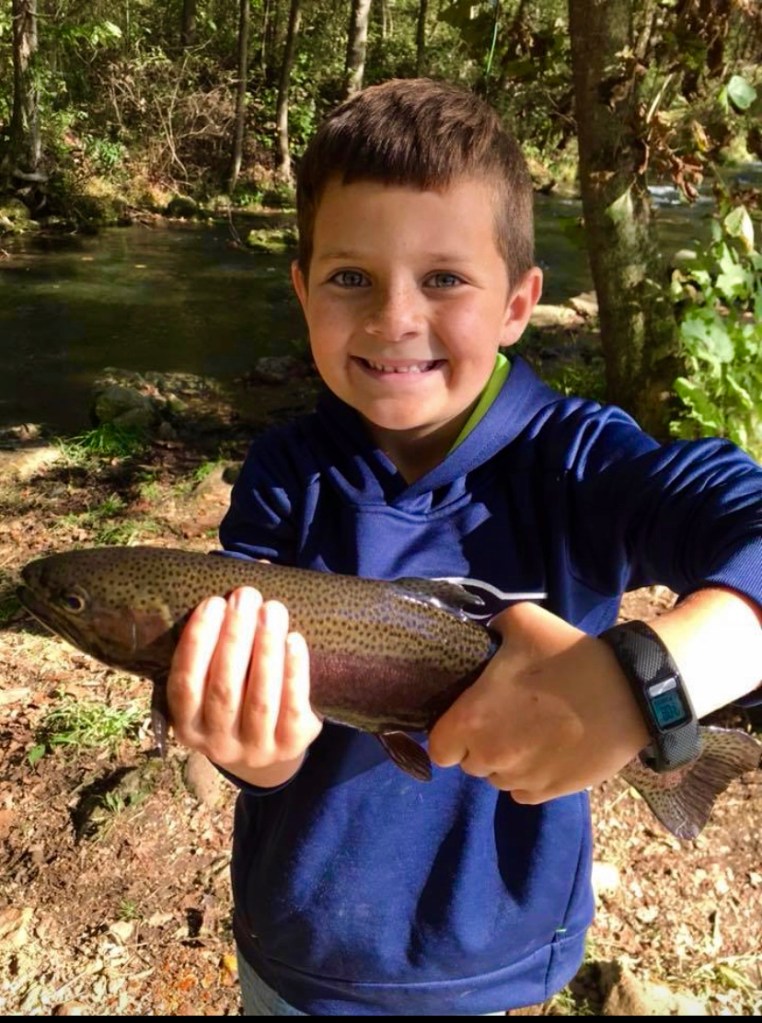
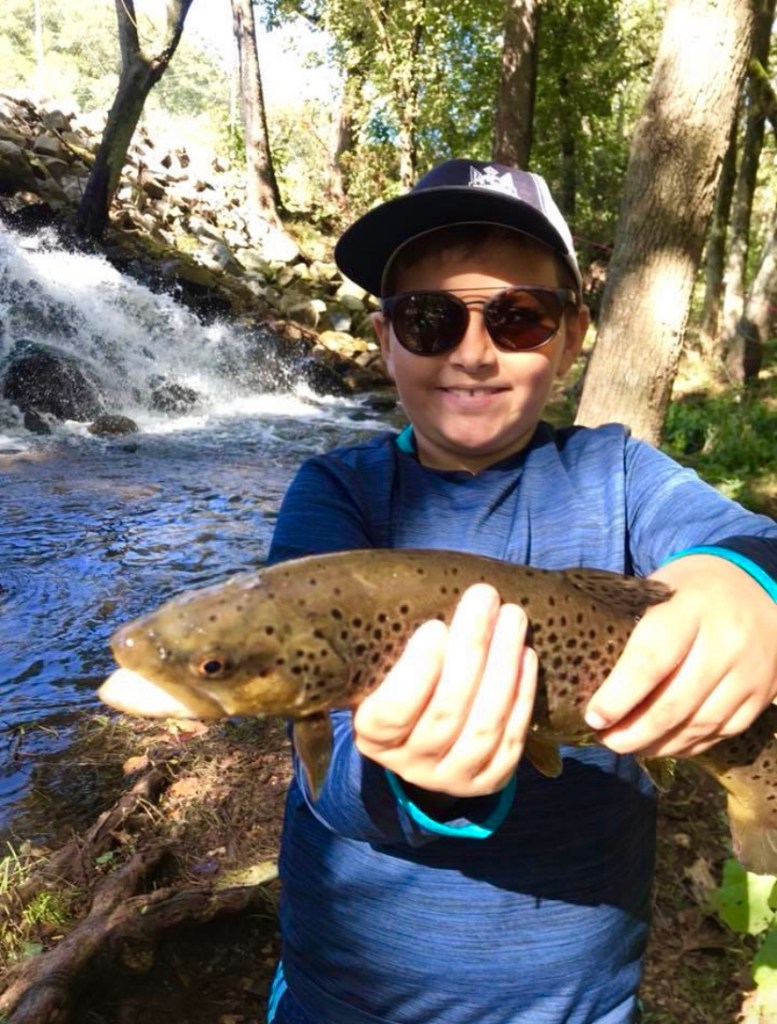
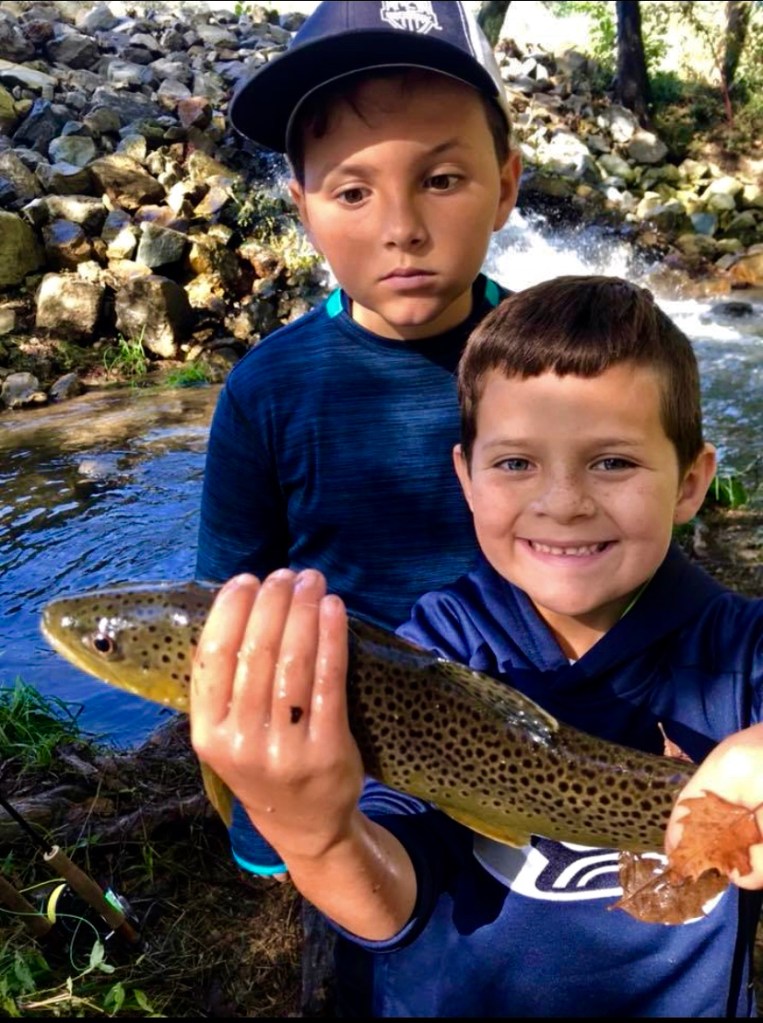
The creek can be divided into two portions: the upper creek (from the hatchery to Highway 177) and the lower creek (from Highway 177 to the confluence with the Norfork River). The upper creek receives by far the most fishing pressure. Fish can be found throughout the upper creek, but larger fish are found in the deeper holes. Locations where the discharge from the hatchery meet the main creek are always productive. My favorite spot to take my kids is below the northernmost discharge pipe from the hatchery. This discharge pipe creates a smaller creek that runs a few hundred feet before it meets the main creek. This creek is fun for sight fishing to large fish, requiring a stealth approach, a delicate cast, and a well presented fly.
The lower creek is much more natural and sees much less fishing pressure than the upper creek. The lower creek requires some hiking and wading, and the casting can be difficult due to all the trees. The fish in the lower creek are more eager to take a fly. If you can find a good spot where fish are feeding, the fishing on the lower creek is unbeatable. Bonus: there tends to be quite a few brook trout in the lower creek, and although small, these will put up quite a fight.
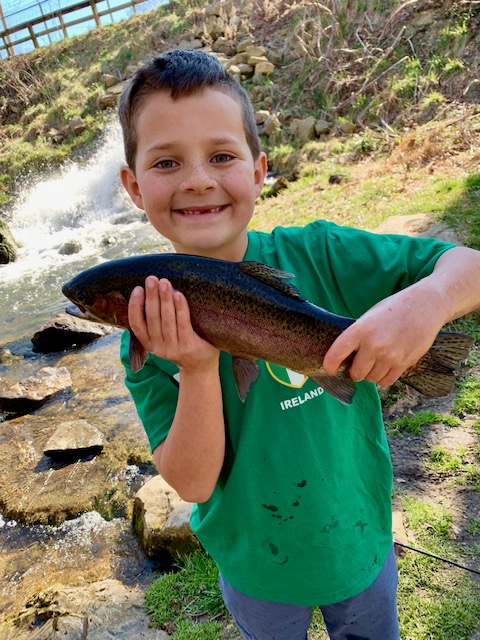
The pool in the lower creek just below the waterfall is a great place for beginners. There is almost no casting required: you can drop your line into the eddy, let the current move your fly around, and there is always a hungry fish that will attack. Kids love this spot because it is a great place to watch trout try to swim up the waterfall. Locals will tell you that this is the only place in the world where this happens. That isn’t true, but it is incredibly fun to watch a 24 inch fish swim up a 3 ft. waterfall.
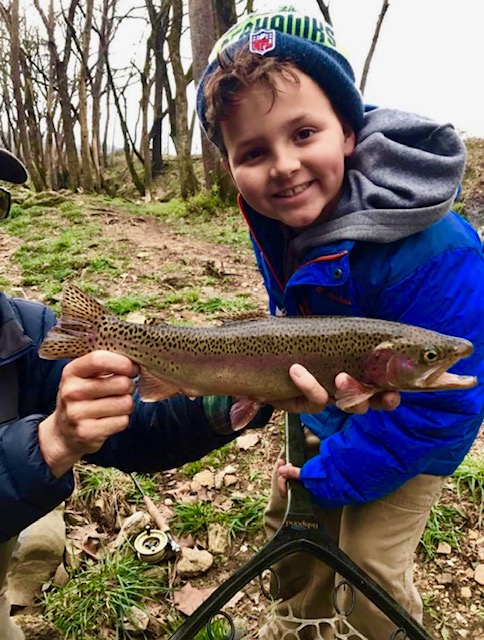

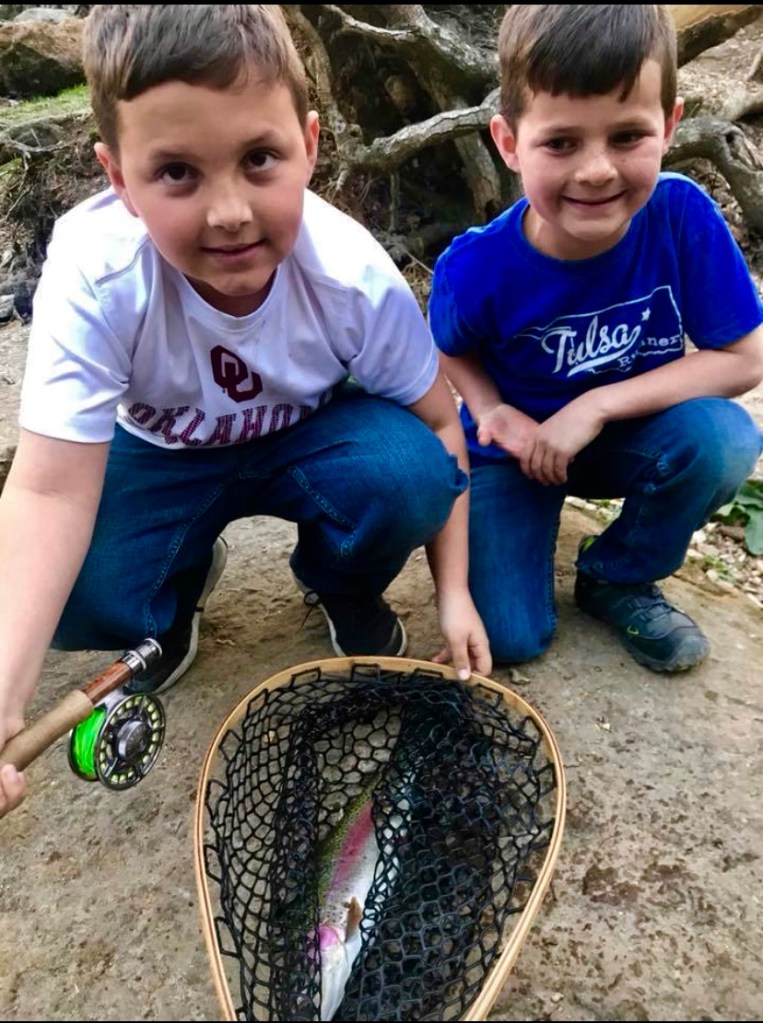
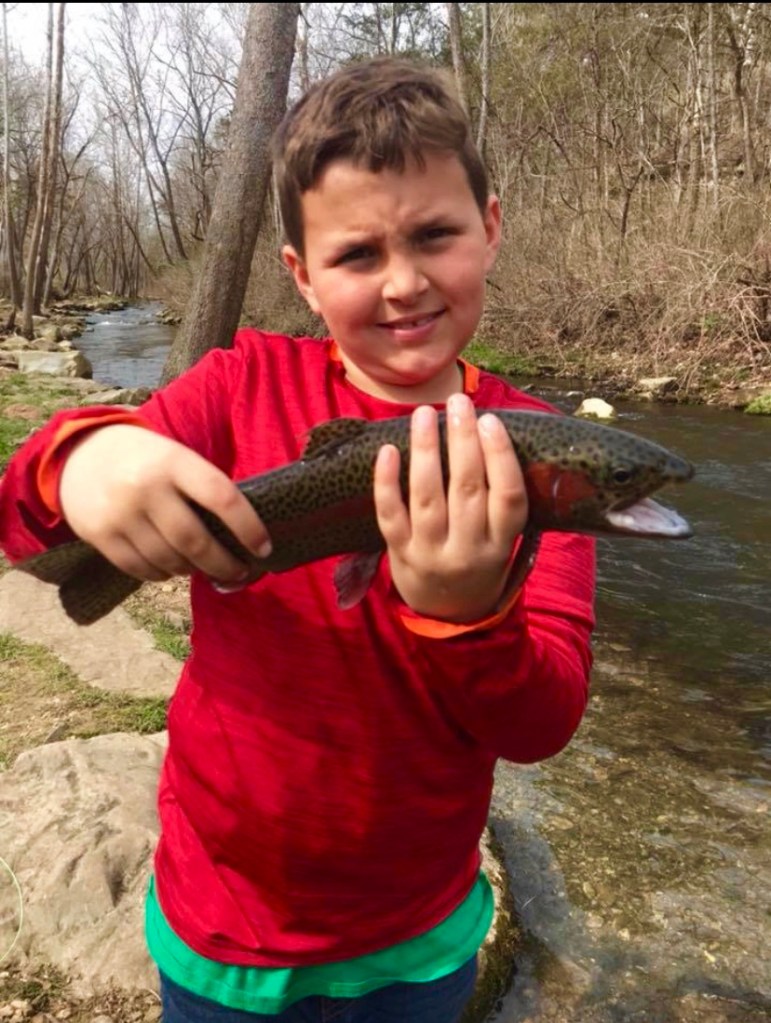
The Gear: While I am always an advocate of light tackle and simple methods, I do make an exception in this case. When fishing Dry Run Creek, I don’t want to harm the fish. While you can catch a large fish on light tackle, there may be a 10 minute battle that will end up exhausting and killing the fish. I have my kids fish 4-5 weight rods. The youngest has an Orvis Clearwater 5 weight setup that I bought in 2004, and the oldest uses a Sage 5 weight. Both these are fun for smaller fish, yet are perfectly capable of handling bigger fish. We usually use 3x or 4x leaders and tippet. For flys, olive sowbugs, small wooly buggers, san juan worms, zebra midges, and most small soft hackle flies will produce. These fish are smart and receive a lot of fishing pressure. We have found that switching flies after catching a fish is productive. Lastly, stop by Two Rivers Fly Shop in Norfork or Dally’s Ozark Fly Fisher in Cotter on your way to the creek. They will tell you the latest reports from the creek, tell you what flies are working, and they will also tell your kids about giant fish that were recently caught in the creek to get your kids excited.
The Fish: Rainbows, Browns, Cutthroats, and Brookies are all in Dry Run Creek.
The Fishing: The fishing is pretty simple. Very basic nymphing seems to work well. The fish tend to stay near the bottom. A nymph fished under an indicator (with a small split shot) is a simple setup that will always produce. For casting, the simpler, the better. Teaching your kid to fling the fly from downstream to upstream is all that is needed. False casts here tend to create problems with the trees.
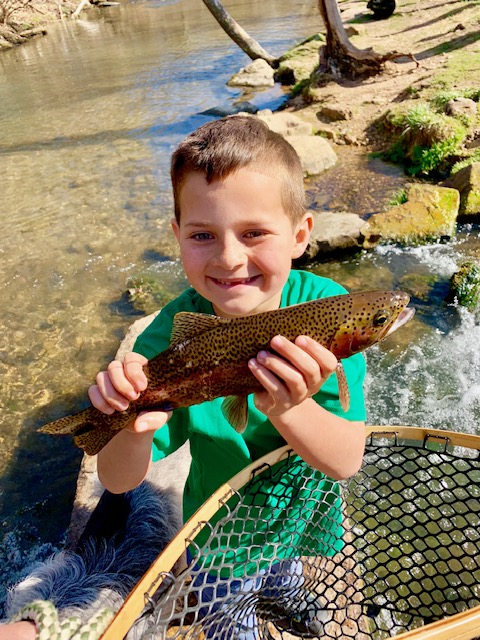
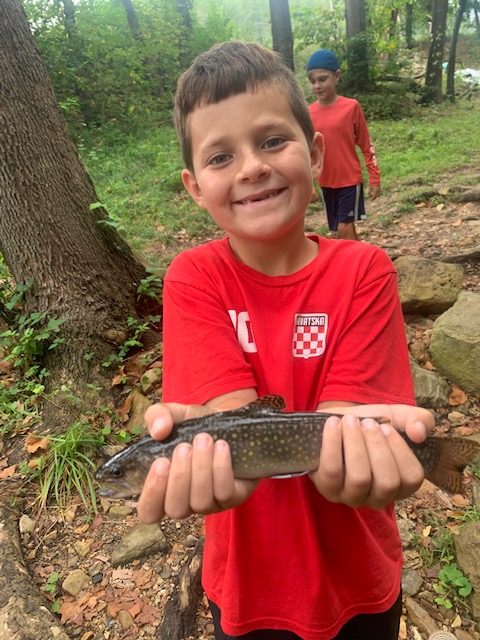
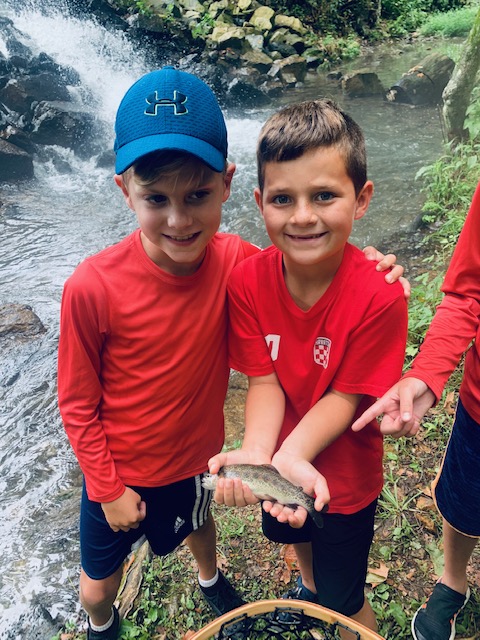
The Summary: If you want your kids to love fly fishing, Dry Run Creek is the place to take them. The creek is beautiful, the fishing is simple and easy, and the experience is unbeatable for kids and parents.

Additional Tips:
1- If you are making a weekend trip of it, the camping across Highway 177 from the hatchery is nice. Alternately, if you would rather stay in a cabin, we have stayed at Gene’s quite a few times, and it has always been great.
2- The Norfork River and the White River are world renown brown trout fisheries. Some of the brown trout spawn in this creek, mostly in the fall. If you are fishing Dry Run Creek in the fall, familiarize yourself with identifying redds and please stay away from them. Natural reproduction of trout in Arkansas is an amazing thing, and please leave the spawning fish alone. Explain it to your kids, it will help them understand and appreciate nature.
3- Teach your kids best practices for releasing fish unharmed. You can learn more about it here. (I know many of these pictures are not best handling practices, but that was before I knew better). I would only add that if you are going to handle the fish, let the fish sit in the net in the water for a couple minutes and breathe before taking it out of the water. Think of going to the finish line of the 100m race in the olympics, going up to the winner, then putting a plastic bag on their head so that they can’t breathe, When you land a trout, the fish is exhausted and starved of oxygen. You don’t want to immediately cut off its oxygen supply by lifting it out of the water.
4- Above all, remember that this is a place for kids. Make it fun! Don’t get frustrated with your kids for getting tangled or stuck in trees. Don’t hover above them, telling them to mend, recast, etc. Let them figure it out themselves. I have seen way too many dads (yes, it is always a dad) trying to fish vicariously through their kids here. Your job is to untangle, retie, help net fish, and be their biggest fan on the river. Let your kids learn and enjoy it for themselves, it’ll mean much more to them that way. And if you figure out what flies the fish are eating, don’t hesitate to give a few flies away to nearby kids so that they can catch fish too.
 small stream fly fishing